Building an E-Commerce Content Strategy That Supports Buyers
What E-Commerce SEO Can Do for an Online Store
Online stores compete for attention across search results, marketplaces, social platforms, and paid advertising. A customer may search for a specific product, compare several options, or look for guidance before deciding what to buy. E-commerce SEO helps a store make its product and category information easier to discover through organic search. The work combines site structure, useful product content, technical accessibility, and ongoing measurement.
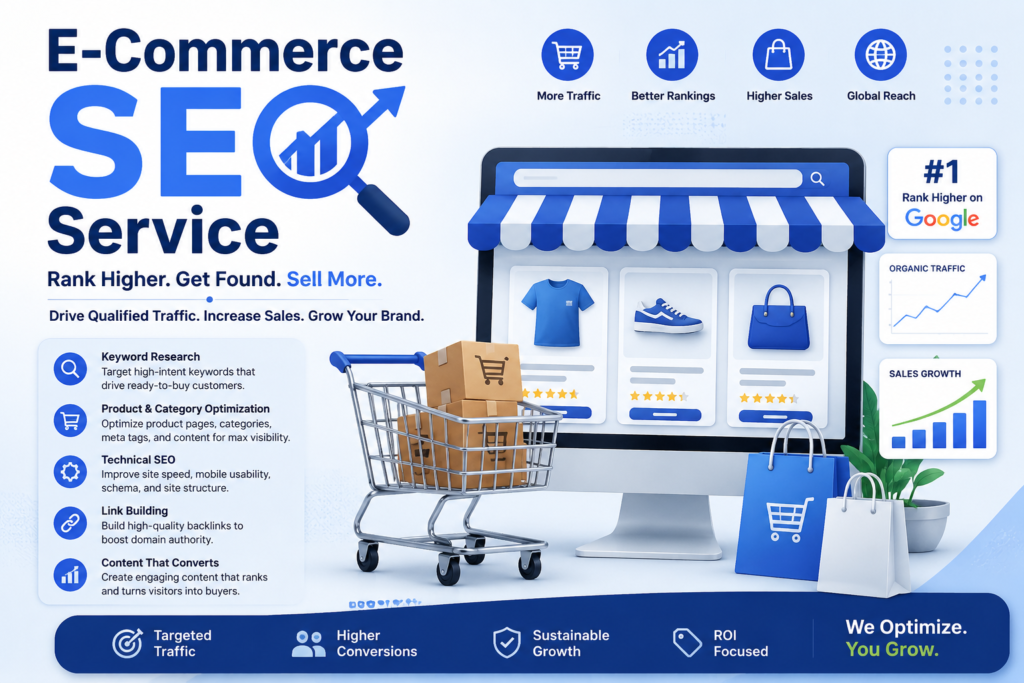
Worldwide Digital Hub offers an E-Commerce SEO Service for online stores. Its service page describes work around product and category pages, technical SEO, content strategy, keyword mapping, and monitoring. A business considering support should confirm the current deliverables and evaluate them against its own platform, catalog, market, and goals. SEO can contribute to discovery, but it cannot guarantee rankings, sales, or revenue.
Start With How Customers Search
Search intent changes across the buying journey. Someone looking for a general product category may be exploring options, while a person searching for a model or product specification may be closer to a purchase decision. A customer comparing alternatives may need a guide that explains differences. Research should reveal these distinctions and help the store decide which page can answer each need.
Map groups of related queries to suitable pages. Category pages can serve broad product searches, while individual product pages answer more specific questions. Buying guides can help customers understand features or choose among options. Avoid creating many similar pages for small keyword variations if they do not provide distinct value.
Match Keywords to Page Purpose
Create a simple map of priority topics, target pages, and likely customer intent. If two pages appear to target the same need, clarify their roles or consider combining them. This can reduce internal competition and make the shopping experience easier to navigate.
Improve Product Pages
A useful product page should help a shopper understand what the item is, who it may suit, and what details matter before purchase. Use a clear product name, accurate specifications, descriptive images, and concise explanations. Keep availability, shipping, returns, and other practical information easy to find. Content should reflect the actual item and avoid unsupported claims.
Product pages often rely heavily on manufacturer descriptions. When possible, add original information that helps customers make a decision, such as clear explanations of specifications, fit, compatibility, or care. Do not add text simply to increase word count. The page should answer genuine questions and make the next step obvious.
Strengthen Category Pages
Category pages can help shoppers browse a group of related products. Clear labels, logical filters, and helpful introductory text make it easier to understand what the category contains. The page should support product discovery without making visitors scroll through generic copy before reaching the items they came to see.
Review how filters, sorting, and product variations affect URLs and page versions. Some combinations may create many URLs with little unique content. Work with the platform or developer to decide how these pages should be handled. Technical choices vary by store, so recommendations should be checked against the actual platform configuration.
- Give each category a clear name and purpose.
- Use accurate product titles and specifications.
- Make filters and navigation easy to use on mobile.
- Review duplicate product or category URLs.
- Keep shipping, availability, and returns information current.
Address Technical SEO
E-commerce websites can have large catalogs and complex URL structures. A technical review may examine crawlability, indexing, duplicate pages, broken links, redirects, mobile performance, page speed, internal links, and structured data. The purpose is to identify obstacles that affect important pages and prioritize changes that can be implemented safely.
Site migrations, theme updates, new apps, and catalog changes can affect search visibility. Plan URL changes carefully, maintain relevant redirects, and verify important pages after release. Keep a record of what changed and when. If a platform limits certain technical controls, ask a specialist to explain the available options and trade-offs.
Use Content to Support Shopping Decisions
Supporting content can attract visitors who are researching before they buy. Guides, comparisons, frequently asked questions, and care instructions may help customers understand a category or product. Each resource should serve a clear purpose and link to relevant products where appropriate. Avoid publishing generic articles that do not add useful information or connect naturally to the store.
Measure performance with more than rankings. Review organic visits to product and category pages, engagement with guides, add-to-cart activity, and sales where analytics can track them reliably. Search traffic can fluctuate, and SEO’s contribution may be difficult to isolate from other channels. Use consistent reporting and interpret results in context.
Evaluate an SEO Service
When assessing Worldwide Digital Hub’s e-commerce SEO service, ask how the team will audit the store, map queries to pages, address technical issues, and measure outcomes. Request a written scope that identifies responsibilities, implementation requirements, and reporting. Be cautious of guaranteed rankings or revenue claims.
Conclusion
E-commerce SEO helps stores improve organic discovery by connecting customer search intent with useful product and category pages, a well-organized website, and clear supporting content. Technical improvements and accurate information make the shopping experience easier to understand.
Start with the parts of the catalog that matter most and track meaningful outcomes over time. Before Ecommerce SEO Service hiring an SEO provider, confirm the scope and choose a plan that fits your platform, Ecommerce SEO Service team, and business goals.